
Therapy in Unstable Sociopolitical Times: Why Healing Is Also a Form of Action
During unstable sociopolitical times, therapy offers more than coping.
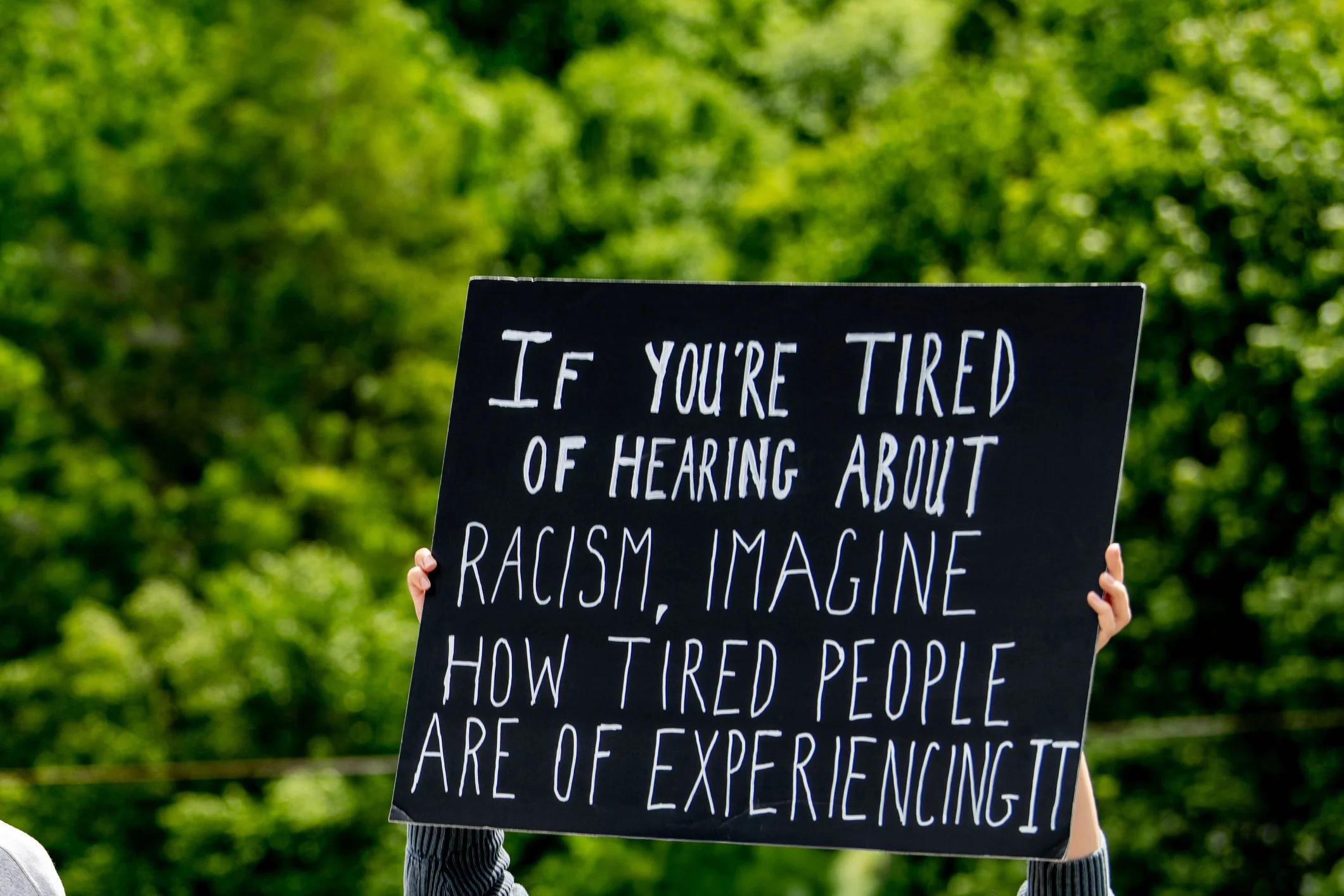
There are times when the world feels especially heavy. Political upheaval, social division, threats to human rights, economic instability, public violence, systemic injustice, and relentless news cycles can create a level of stress that is difficult to contain. For many people, especially those from marginalized communities, unstable sociopolitical times do not simply feel unsettling—they can feel deeply personal, exhausting, and unsafe.
In these moments, therapy can become more than a place to process stress. It can become a space for grounding, meaning-making, resistance, and reconnection. While therapy is often thought of as private, inward-facing work, its impact extends far beyond the therapy room. In many ways, the work of therapy is activism in action.
When the broader social environment is unstable, our nervous systems often carry the weight of that instability. People may notice heightened anxiety, grief, anger, numbness, hopelessness, difficulty concentrating, sleep disruption, or a constant sense of vigilance. For those whose identities are directly targeted by political rhetoric, policy decisions, discrimination, or cultural backlash, these responses are not overreactions. They are often understandable responses to ongoing threat, uncertainty, and cumulative harm.
Therapy can help by creating space to name what is happening without minimizing it. It allows people to move out of isolation and into relationship with their own experience. Rather than pathologizing distress, therapy can help contextualize it. It can affirm that many emotional responses to injustice and instability are not signs of personal weakness, but reflections of living within systems that can be harmful, unequal, and dehumanizing.
This is one of the most powerful functions of therapy during politically and socially turbulent times: it helps people tell the truth. It helps clients distinguish between what belongs to them and what has been imposed by trauma, oppression, fear, or chronic disconnection. It supports people in understanding how larger systems shape their emotional lives, relationships, sense of safety, and beliefs about themselves. That clarity matters. It is difficult to act with intention when we are overwhelmed, disconnected, or blaming ourselves for wounds created by unjust conditions.
Therapy also helps people remain connected to their humanity when the world encourages shutdown, polarization, or despair. In unstable times, many people cope by becoming emotionally numb, hyper-independent, or consumed by hopelessness. Therapy invites something different. It creates room for grief without collapse, anger without destruction, fear without paralysis, and hope without denial. It helps people build the internal and relational capacity to stay present to reality while continuing to live with purpose.
This is where therapy becomes activism in action. Activism is not only protest, advocacy campaigns, policy change, or public organizing, though those matter deeply. Activism also includes the work of refusing dehumanization. It includes reclaiming voice, restoring dignity, healing relational wounds, challenging internalized oppression, setting boundaries with harmful systems, and learning to stay connected to ourselves and one another in a culture that often profits from disconnection.
Therapy supports this work in tangible ways. It helps people notice where shame has silenced them. It helps them examine inherited beliefs that reinforce oppression or self-erasure. It offers support for boundary-setting, self-trust, and more authentic connection. It helps people move from survival alone toward collective care and intentional living. In this sense, therapy is not separate from social transformation. It helps cultivate the conditions that make sustained resistance and meaningful community possible.
Healing matters because wounded people are often asked to keep functioning as though nothing is wrong. Therapy pushes back against that demand. It says that your pain deserves attention. Your exhaustion makes sense. Your fear belongs in context. Your body, mind, and spirit are worthy of care. In a society that often normalizes burnout, disposability, and emotional suppression, choosing to heal is itself a radical act.
Therapy can also help people discern how they want to respond to the world around them. Not everyone is called to activism in the same way, and not every season allows for the same level of outward engagement. Some people may be organizing publicly. Others may be parenting, creating, teaching, caregiving, voting, building community, supporting mutual aid, or simply trying to stay alive in systems not built for their flourishing. Therapy can help people identify sustainable forms of engagement that honor both their values and their limits.
Importantly, therapy can remind people that rest, regulation, and healing are not betrayals of the struggle. They are part of it. Movements for justice require people who can remain connected, resourced, and capable of acting over time. Burnout may be common, but it should not be treated as inevitable. Therapy can support the kind of inner and relational work that allows people to keep showing up—not from constant depletion, but from deeper alignment.
At its best, therapy does not ask people to simply adjust to injustice. It helps them understand the impact of that injustice while supporting their capacity to respond with greater clarity, compassion, and agency. It can be a place to process grief, hold complexity, reconnect with values, and practice new ways of being in relationship with self, others, and the world. It can be a place where people remember that they are not powerless, even when circumstances feel overwhelming.
During unstable sociopolitical times, therapy offers more than coping. It offers witness. It offers language. It offers connection. It offers a place to reclaim what fear, oppression, and chaos try to take away. And in doing so, it becomes part of the larger work of justice.
Because every act of healing that restores dignity, deepens connection, and resists dehumanization is not only personal. It is political. It is communal. And it is activism in action.