

Why Membership in the Transgender Health Education Network Matters
We are proud to be a registered provider through the Transgender Health Education Network (THEN), a Florida-based nonprofit created to build a network of informed, affirming providers for transgender and gender-diverse individuals and their families.

Identity Development in Young Adulthood: A Relational-Cultural and Social Justice Perspective
Young adulthood is often described as a season of becoming. It is a time when many people begin asking deeper questions about who they are, what they value, where they belong, and how they want to move through the world. While this stage of life can be exciting, it can also feel disorienting, tender, and uncertain. Identity development is rarely a straight path. Instead, it is often shaped through relationships, life experiences, systems of power, and the ongoing process of making meaning of one’s lived reality.
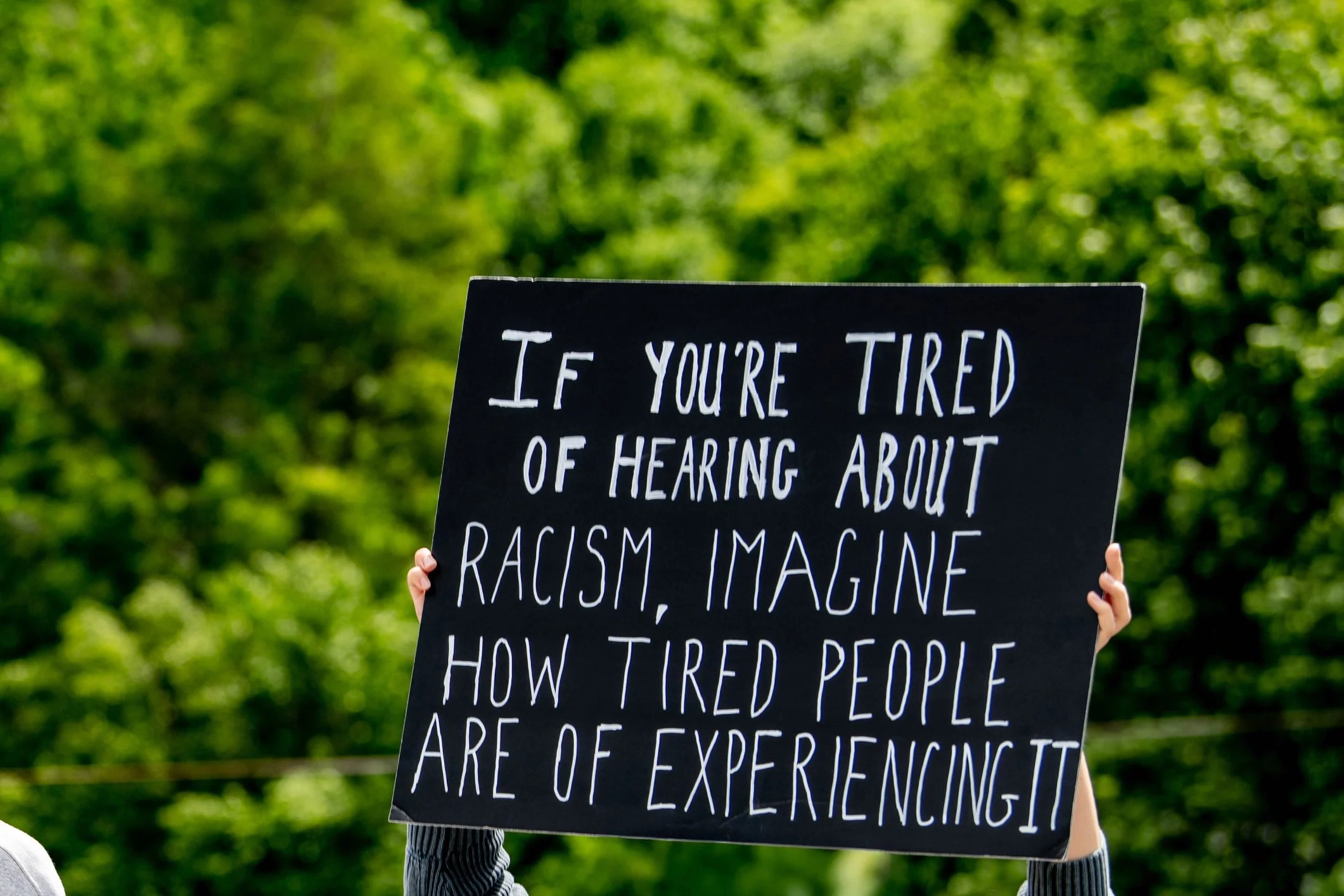
Therapy in Unstable Sociopolitical Times: Why Healing Is Also a Form of Action
When the broader social environment is unstable, our nervous systems often carry the weight of that instability. People may notice heightened anxiety, grief, anger, numbness, hopelessness, difficulty concentrating, sleep disruption, or a constant sense of vigilance. For those whose identities are directly targeted by political rhetoric, policy decisions, discrimination, or cultural backlash, these responses are not overreactions. They are often understandable responses to ongoing threat, uncertainty, and cumulative harm.

What to Expect the First Time You Start Therapy
Starting therapy for the first time can bring up a mix of emotions. You may feel hopeful, nervous, skeptical, relieved, or unsure of what to expect. For some people, beginning therapy feels like a meaningful step toward healing. For others, it may feel vulnerable, unfamiliar, or even intimidating. All of those responses are valid.